


Sea Turtles on Hilton Head Island: What Every Resident and Visitor Should Know

Hilton Head Island isn’t just known for its beautiful beaches, golf courses, and Lowcountry charm — it’s also one of South Carolina’s most important nesting grounds for endangered sea turtles. Every year, these ancient mariners return to our shores to lay their eggs, continuing a life cycle that has existed for more than 100 million years.
If you live on the island, own property, manage rentals, or simply love visiting, understanding the sea turtles — and the laws that protect them — is essential.
The Sea Turtles of Hilton Head
The most common species nesting on Hilton Head Island is the Loggerhead sea turtle, which is listed as threatened under the Endangered Species Act. Occasionally, Green sea turtles and Leatherbacks are also spotted in our waters.
Nesting season runs from May through October.
During this time:
Adult females come ashore at night to lay eggs.
Each nest may contain 100–120 eggs.
After about 60 days, hatchlings emerge — typically at night — and instinctively head toward the ocean.
Only about 1 in 1,000 hatchlings survive to adulthood. That’s why protection efforts are so critical.
Why Hilton Head Matters
Hilton Head Island is one of the most significant nesting beaches in South Carolina. Hundreds of nests are recorded each season, and local conservation groups monitor and protect them daily.
Volunteers and wildlife officials:
Mark and rope off nests
Track nesting activity
Relocate threatened nests when necessary
Educate the public
But protection doesn’t stop with volunteers — it requires cooperation from residents, visitors, and property owners.
The Laws Protecting Sea Turtles
Sea turtles are protected under both federal and South Carolina state law.
Federal Protection
Under the Endangered Species Act, it is illegal to:
Harass, harm, capture, or kill sea turtles
Disturb nesting turtles
Interfere with nests or hatchlings
Violations can result in significant fines and penalties.
South Carolina State Laws
South Carolina also enforces strict protections during nesting season. These include regulations regarding:
1. Beach Lighting
Artificial lighting is one of the biggest threats to hatchlings.
Hatchlings navigate toward the brightest horizon — historically, that was moonlight reflecting off the ocean. Today, artificial lights from homes, condos, and hotels can disorient them, leading them inland instead of toward the water.
From May 1 through October 31, beachfront properties must:
Turn off unnecessary exterior lights visible from the beach
Close blinds or curtains at night
Use turtle-friendly, low-wavelength lighting when necessary
Improper lighting can result in warnings and fines.
2. Beach Equipment Left Overnight
Chairs, tents, umbrellas, and toys left on the beach overnight create obstacles for nesting turtles and hatchlings.
Hilton Head enforces regulations requiring:
Removal of beach equipment each evening
No digging large holes that could trap turtles
Filling in holes before leaving the beach
3. Dunes and Vegetation
Sea oats and dune systems are protected because they stabilize the beach and provide natural nesting habitat.
It is illegal to:
Walk through or damage dunes
Remove native vegetation
Disturb marked nesting areas
What Visitors and Homeowners Should Do
Whether you’re visiting for a week or living here year-round, here are simple but critical steps:
If You See a Nesting Turtle
Stay at least 50 feet away
Remain quiet
Do not use flash photography
Do not approach or touch
If You See Hatchlings
Do not pick them up
Keep lights off
Contact local turtle patrol if they appear disoriented
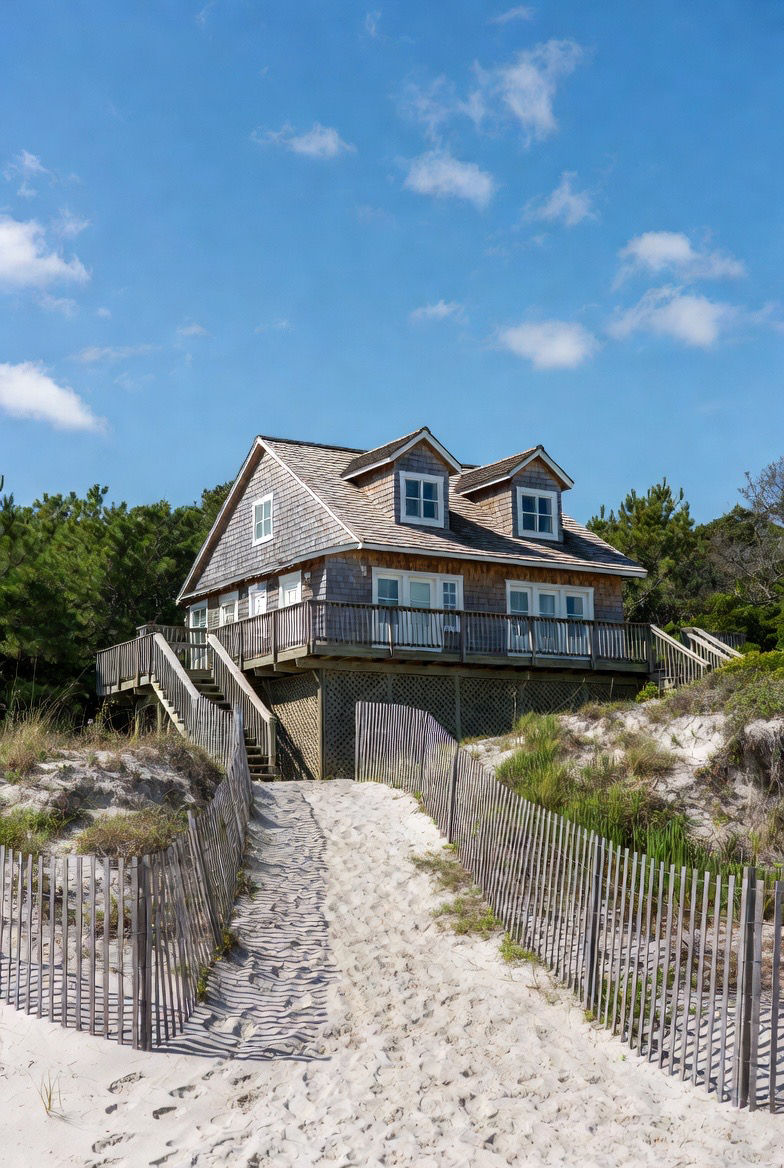
Keep the Beach Dark and Clean
Turn off beachfront lights at night
Remove furniture and toys
Fill in holes before leaving
Why This Matters for Property Owners
For those who own beachfront homes or vacation rentals, compliance isn’t just about avoiding fines — it’s about stewardship.
Turtle-friendly practices:
Protect a federally protected species
Preserve Hilton Head’s natural beauty
Demonstrate environmental responsibility to guests
Maintain compliance with town regulations
Many visitors specifically choose Hilton Head because of its commitment to conservation. Being proactive protects both wildlife and property values.
A Shared Responsibility
Sea turtles have returned to Hilton Head Island long before development and tourism existed. They depend on us now more than ever.
The good news is that conservation efforts are working. With proper lighting, responsible beach behavior, and community cooperation, nesting success rates continue to improve.
Each nest protected is another step toward ensuring that future generations can witness this remarkable natural event.
Final Thought
Hilton Head Island’s beaches are more than a destination — they are a habitat.
Protecting sea turtles isn’t just about following laws. It’s about preserving one of the most extraordinary natural cycles happening right in our backyard.
If we keep the beaches dark, clean, and respected, these incredible creatures will continue returning to our shores for generations to come.

Comments